Rana Sikandar Hayat: Architect of Punjab Education Reforms
By: Dr. Zafar Iqbal
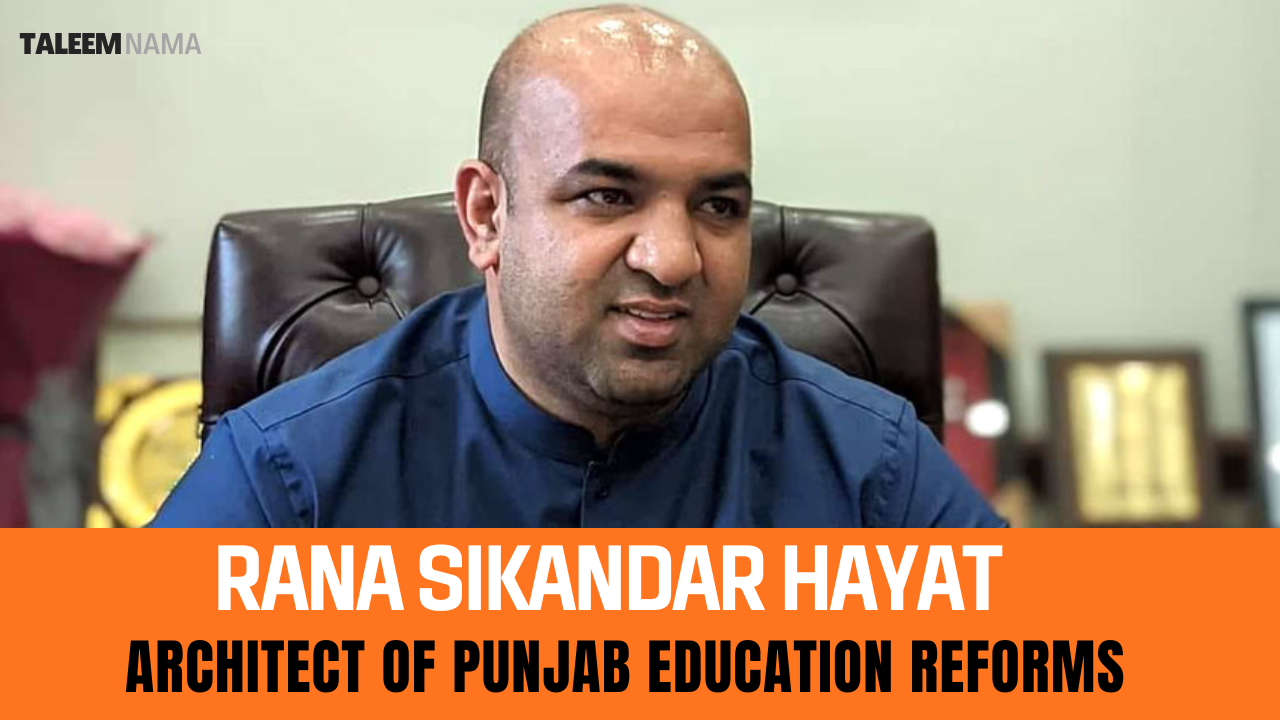
In the dynamic landscape of Pakistan’s political arena, where challenges often overshadow opportunities, certain individuals emerge as beacons of hope, dedicated to ushering in an era of positive change. Among these distinguished figures, Rana Sikandar Hayat, the Minister of Education for Punjab, stands out as a visionary leader whose unwavering commitment and pragmatic approach have begun to redefine the trajectory of public education in the province. His tenure, though relatively short, has been marked by a series of bold reforms, strategic initiatives, and a deep-seated desire to ensure that every child in Punjab has access to quality education, irrespective of their socio-economic background. This article serves as a tribute to his invaluable services, highlighting the profound impact he is making on millions of lives and the future of Pakistan.
Rana Sikandar Hayat inherited an education system grappling with multifaceted challenges. Decades of underinvestment, infrastructural decay, teacher absenteeism, and an outdated curriculum had created a chasm between the aspirations of the populace and the realities on the ground. Public schools, once vibrant centers of learning, were often perceived as last-resort options, while the private sector flourished, exacerbating educational inequality. Recognizing the urgency of the situation, Minister Hayat embarked on a mission to revitalize the public education sector, armed with a clear vision and an actionable strategy.
One of the most commendable aspects of his leadership has been the emphasis on digital monitoring and accountability. Understanding that transparency and oversight are crucial for effective governance, Rana Sikandar Hayat has championed the integration of technology into the administrative framework of schools. This includes implementing robust attendance systems for both teachers and students, digitally tracking resource allocation, and monitoring the progress of various educational initiatives. This digital shift has significantly reduced inefficiencies, curbed corruption, and instilled a greater sense of responsibility among school staff. The days of ghost teachers and derelict infrastructure going unnoticed are steadily becoming a relic of the past, thanks to this tech-driven vigilance.
Beyond mere oversight, the Minister has placed a strong emphasis on teacher training and professional development. It is widely acknowledged that the quality of an education system is directly proportional to the quality of its teachers. Rana Sikandar Hayat understands this fundamental truth and has initiated comprehensive training programs aimed at equipping educators with modern pedagogical techniques, subject-matter expertise, and a deeper understanding of child psychology. These programs are not merely theoretical exercises; they are designed to empower teachers to foster critical thinking, creativity, and problem-solving skills in their students. By investing in the human capital of the education sector, he is laying the groundwork for a generation of highly skilled and motivated educators who can truly inspire and guide their students.
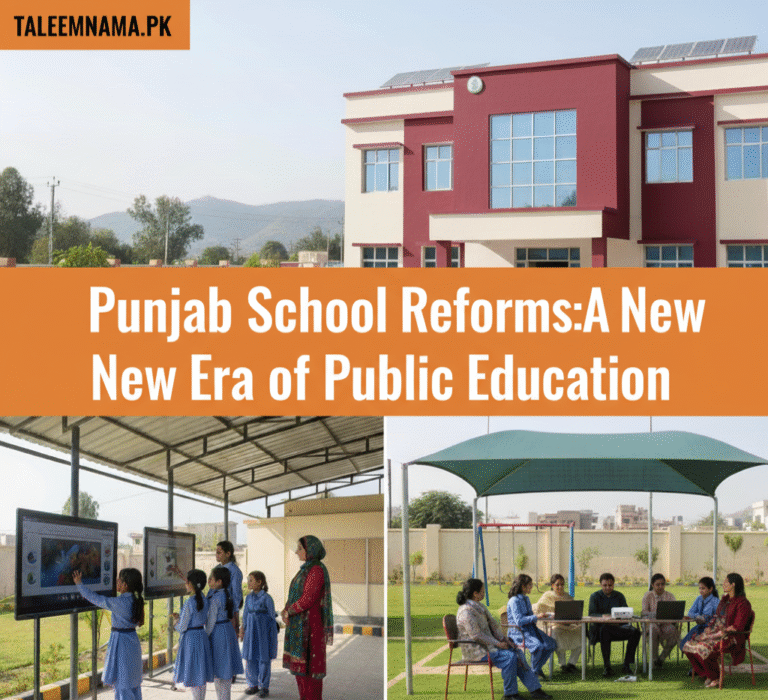
Infrastructure development and modernization have also been a cornerstone of his reform agenda. Many government schools in Punjab were in dire need of renovation, lacking basic amenities such as clean drinking water, functional sanitation facilities, and safe learning environments. Rana Sikandar Hayat has prioritized upgrading school infrastructure, ensuring that students have access to conducive learning spaces. This includes constructing new classrooms, repairing dilapidated buildings, providing furniture, and establishing libraries and science labs. Furthermore, he has shown a keen interest in integrating modern technology into classrooms, such as smart boards and computer labs, to prepare students for the demands of the 21st century. The transformation of a crumbling edifice into a vibrant, well-equipped learning hub is not just an aesthetic improvement; it sends a powerful message to students and communities that their education is valued and prioritized.
A particularly noteworthy initiative under his leadership is the focus on curriculum reform and relevance. Recognizing that an outdated curriculum can hinder students’ ability to compete in a rapidly evolving global landscape, Minister Hayat has advocated for reviewing and updating the educational content. This includes introducing subjects that foster critical thinking, digital literacy, and vocational skills, ensuring that students are not only academically proficient but also prepared for the practical challenges of life and the demands of the job market. His vision extends to creating a curriculum that is not only rigorous but also culturally relevant, instilling in students a sense of pride in their heritage while equipping them with a global outlook.
Rana Sikandar Hayat’s leadership is also characterized by a deep commitment to equitable access to education. He firmly believes that every child, regardless of their gender, location, or economic status, deserves the opportunity to receive a quality education. This commitment is evident in his efforts to expand school access in remote and underserved areas, provide scholarships and financial assistance to deserving students, and address the specific needs of marginalized communities. His administration is actively working to reduce the gender gap in enrollment, particularly at higher education levels, and to ensure that disabled students have access to inclusive learning environments.
Beyond policy and programs, what truly sets Rana Sikandar Hayat apart is his hands-on approach and direct engagement. He is known for making unannounced visits to schools, interacting directly with students, teachers, and parents, and gaining first-hand insights into the challenges and successes on the ground. This direct engagement not only keeps him informed but also serves as a powerful motivator for the education community, demonstrating that their efforts are recognized and valued by the highest echelons of the provincial government. This level of accessibility and commitment fosters trust and a sense of shared purpose, crucial ingredients for any successful reform movement.
The impact of Rana Sikandar Hayat’s efforts is beginning to resonate across Punjab. We are witnessing an encouraging increase in school enrollment, a marked improvement in teacher attendance, and a perceptible shift in the learning environment within public institutions. Parents, who once harbored skepticism about government schools, are now cautiously optimistic, seeing tangible improvements that promise a brighter future for their children. The ongoing reforms are not merely administrative changes; they represent a fundamental paradigm shift in how public education is perceived and delivered in Punjab.
In conclusion, Rana Sikandar Hayat’s tenure as Minister of Education Punjab has been nothing short of transformative. His visionary leadership, coupled with a practical and results-oriented approach, is steadily steering the province’s education system towards a new era of excellence and equity. His dedication to digital monitoring, teacher training, infrastructure development, curriculum reform, and equitable access underscores a profound commitment to the future of Punjab. The seeds of change he is sowing today will undoubtedly yield a harvest of empowered, educated citizens who will contribute meaningfully to the progress and prosperity of Pakistan. His services are not just commendable; they are a testament to the power of committed leadership and a beacon of hope for a brighter educational future.